
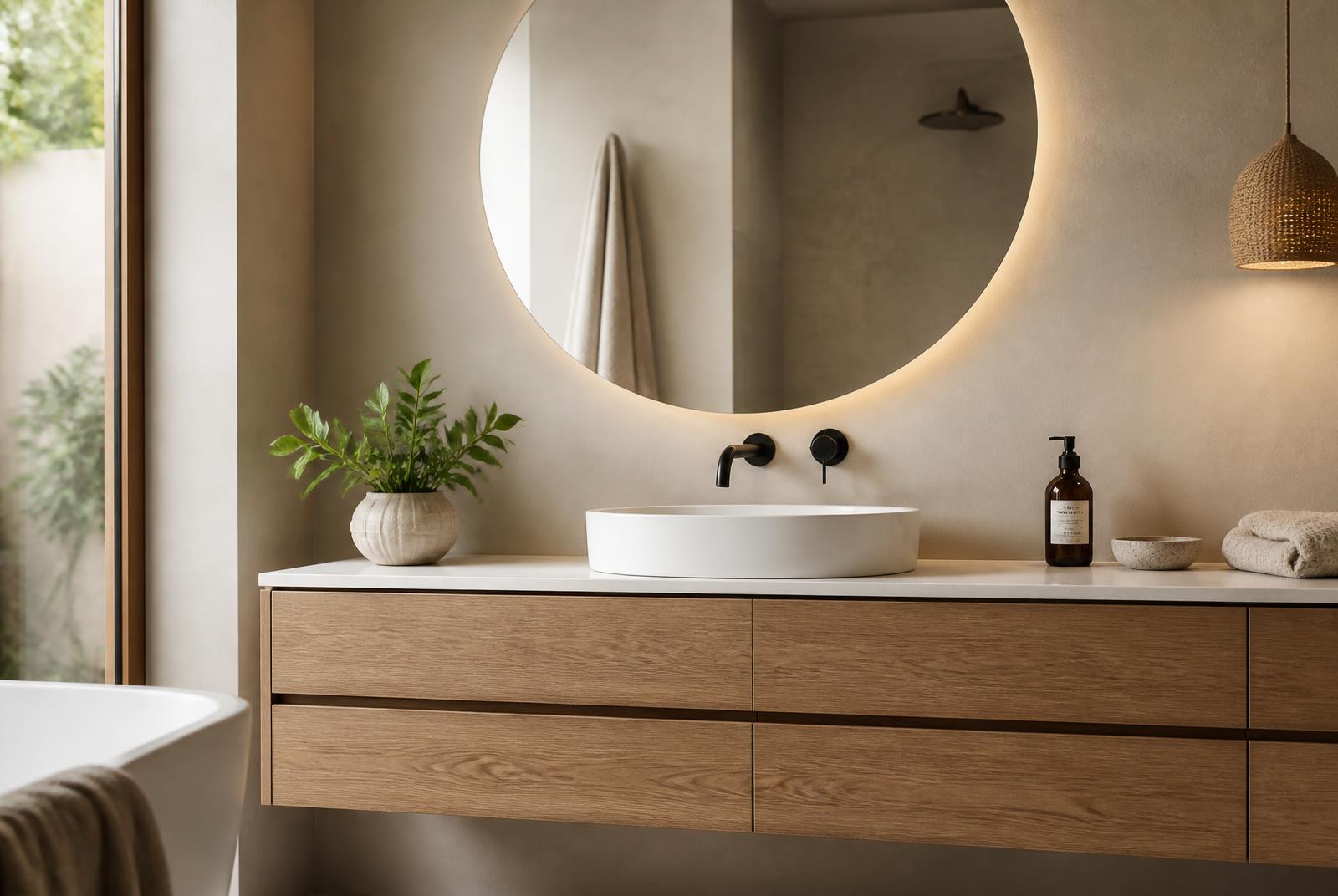
Bathroom Renovations in Oxford& across Oxfordshiredesigned for real occupancy
En-suites and shared bathrooms designed around how many people actually use them, detailed so moisture goes out rather than into the structure, and sequenced to keep the rest of the programme moving.
Free site visit and consultation, 6-month workmanship guarantee on completed works.
Free site visit
No charge for the first visit and consultation
6-month guarantee
Workmanship guarantee on completed works
Compliance in-house
HMO licensing and building control handled directly
Established trades
Fully qualified independent tradespeople
Mon–Sun 9am – 7pm
Call $we on 07731 945813
Overview
What a bathroom renovation covers, and when it is needed
A bathroom renovation covers strip-out, alterations to plumbing and waste, floor and wall preparation, tanking and waterproofing where required, tiling, sanitaryware, screens and trays, extraction, lighting, heating and the sealing detail that decides how long the room lasts. En-suites add drainage and space-planning constraints; shared bathrooms in HMOs add usage volume.
Bathrooms are the second-highest value room in a property and the highest-risk one to build badly, because every mistake is a water mistake and water damage is progressive. A bathroom that was tiled onto the wrong substrate or vented by an undersized extractor will look fine for eighteen months and then start telling you about it through the ceiling below.
Landlords typically come to us when a bathroom is failing under load, when an inspection or licence condition requires amenity to be improved, or when a property is being renovated and the bathrooms are the part most obviously holding back the rent. Homeowners come to us for the same reason anyone does: the room is dated, cold and awkward.
Because we run bathrooms inside a managed programme, the room does not stall between a tiler and a plumber. Materials are ordered ahead, trades are sequenced, and specialist work is carried out by fully qualified independent tradespeople.
Who this is for
HMO landlords
Shared bathrooms and en-suites that need to handle back-to-back use every morning without failing early.
Investors adding amenity
Owners adding en-suites or a second bathroom to improve compliance headroom, rent per room and lettability.
Short-let operators
Bathrooms that need to photograph well, feel hotel-grade and survive constant guest turnover.
Homeowners
Owner-occupiers replacing a dated bathroom and wanting it done in a defined window rather than open-ended.
The Risk
Why a failing bathroom escalates faster than anything else
Bathroom failure is almost never dramatic. A grout line goes, a seal at the tray perishes, the extractor was always too weak, and moisture starts going into the substrate instead of out of the window. By the time there is a stain on the ceiling below, the damage has been running for months and the repair is no longer a bathroom job: it is a bathroom job plus a ceiling, plus decoration, plus whatever the water found on the way down.
In shared housing the clock runs faster. A bathroom serving four or five people takes several times the moisture load of a family bathroom, with far less drying time between uses. Underspecified extraction in that context is not a comfort issue, it is a decay mechanism, and it is the single most common reason we strip out bathrooms that are only a few years old.
Commercially, a bad bathroom does two things: it caps what the property can achieve, and it generates callouts. Every reactive plumbing visit costs money and management time, and a tenant with a shower that runs cold at 8am is a tenant who does not renew.
Common mistakes we are asked to undo
Treating extraction as optional
An undersized or badly ducted extractor is the root cause of most early bathroom failure. It is the cheapest thing to get right and the most expensive to ignore.
Tiling onto the wrong substrate
Tiles are not waterproofing. Without correct board and tanking in wet zones, the tiling is a decorative layer over a problem.
Relying on silicone as the waterproof layer
Seals are a maintenance item, not a strategy. The room has to still be watertight when the silicone eventually fails.
Specifying delicate fittings for heavy use
Slim screens, fragile trays and low-grade thermostatic valves do not survive shared-house or short-let use.
Our Process
How we run a bathroom renovation
Free site visit and survey
We look at the existing room, drainage positions, occupancy and where moisture is currently going, then set out what the room realistically needs.
Layout and specification
Sanitaryware, screens, trays, tiling, extraction, heating and lighting fixed on paper, specified against use, not just appearance.
Strip-out, first fix and waterproofing
Old room removed, plumbing and waste altered to suit the layout, substrates prepared and wet zones tanked before anything decorative goes on.
Tiling, installation and second fix
Tiling set out properly, sanitaryware and screens installed, extraction ducted correctly, and electrical work carried out by qualified trades.
Testing and verification
Falls, seals and drainage checked under water, extraction confirmed as working, electrical work tested and certified, thermostatic controls set.
Finish, handover and guarantee
Decoration completed, the room cleaned, final visual inspection walked with you, and a 6-month workmanship guarantee on completed works.
Benefits
What you get
A room that stays dry
Correct substrates, tanking, falls and extraction, so moisture leaves the room instead of entering the structure.
Built for the occupancy
Fittings, screens and valves specified for the number of people using the room every morning.
Fewer callouts
Getting the wet detailing and controls right removes the recurring reactive plumbing visits that eat management time.
Shorter disruption
Sequenced trades and materials ordered ahead mean the room comes back into use quickly.
Better rent and better photos
Bathrooms and kitchens decide viewings and bookings. A well-finished bathroom pays back on rate as well as on maintenance.
Guaranteed workmanship
Completed works typically carry a 6-month workmanship guarantee, varying by element of work.
In Detail
Bathroom detail: waterproofing, ventilation and fittings
Almost everything that determines a bathroom's lifespan is hidden behind the tiles. This is what we do back there, and why.
Substrates, tanking and wet zones
Wet zones, shower enclosures, areas around baths, splash zones at basins, need the right board and a continuous waterproof layer before tiling. Tiling and grout are porous systems; they slow water down, they do not stop it. Where trays and screens meet walls and floors, the detail is built so that the waterproofing, not the silicone, is doing the work. Joints, upstands and corners get particular attention because that is where failure begins.
Ventilation and moisture management
Extraction is sized for the room and the load, ducted by the shortest sensible route with minimal bends, and terminated properly outside. An extractor blowing into a loft void is not extraction; it is relocating the problem. Where a bathroom is windowless, common in en-suites created during a conversion, the extraction and its run-on control are part of the design rather than an item picked at second fix.
Sanitaryware, screens and thermostatic control
In shared and short-let properties we specify robust trays and screens, thermostatic mixers with reliable temperature stability, and taps and valves that tolerate hard water. Oxfordshire water is hard, which quietly shortens the life of cheap cartridges, shower heads and heating elements, so descaling-tolerant specification is not a luxury here.
Heating, lighting and finish
Heated towel rails sized to actually dry towels, IP-rated lighting appropriate to the zone, and floor finishes chosen for grip when wet as well as for looks. Tiling layout is set out from the most visible line rather than the nearest wall, which is a detail that costs nothing and shows in every photograph of the room.
En-suites, shared bathrooms and second bathrooms
An en-suite is a drainage and space-planning problem: it needs a viable waste run, a door swing that does not fight the bed, and enough usable space that it improves the room rather than shrinking it. A shared bathroom in an HMO is a throughput problem: fast hot water, robust everything, easy cleaning. Adding a second bathroom to a family house is a value problem: it usually returns more than it costs, provided the drainage route is sensible.
Bathrooms within a wider programme
Bathrooms are almost always on the critical path in a refurbishment, because they hold up flooring, decoration and, in an HMO, the compliance sign-off. We sequence them early and order sanitaryware and screens ahead of the trades who need them, so the wider programme is not waiting on one room.
FAQs
Questions we are asked before a project starts
How much does a bathroom renovation cost?+
It depends on the size of the room, whether drainage or layout is changing, and the specification of tiling, sanitaryware and screens. We price against a written scope after a free site visit.
How long does a bathroom take?+
It varies with scope, tiling area and whether waste runs are moving. We agree a programme up front and sequence the trades, because the delays in bathroom work almost always come from waiting on the next trade rather than from the work itself.
Can you add an en-suite?+
Yes, where there is a viable waste run and the space genuinely improves the room. We will tell you at the site visit whether an en-suite adds value in that particular property or simply eats a bedroom.
How long should a new bathroom last?+
Lifespan is decided by waterproofing and ventilation more than by the fittings. Rooms built with correct substrates, tanking and properly sized extraction age slowly; rooms that rely on sealant do not.
Is the work guaranteed?+
Completed works typically carry a 6-month workmanship guarantee, which can vary depending on the specific element of work involved.
How are payments structured?+
A typical structure is 25% deposit, 50% at the halfway point and 25% on the final visual inspection, flexed to the scale of the project.
Do you handle urgent bathroom problems?+
We are contactable Mon–Sun, 9am – 7pm. Tell us the deadline on the first call and we will be straight about whether we can meet it.
Do you do bathrooms in HMOs specifically?+
Yes, and it is a large part of our work. Shared bathrooms and en-suites are designed around back-to-back occupancy, with amenity provision considered as part of the property's compliance position.
Which areas do you cover?+
Based in Wantage and working across Oxfordshire, including Oxford, Botley, Headington, Abingdon, Didcot, Kennington, Kidlington, Banbury and Witney.
Can bathrooms be done alongside a full refurbishment?+
Yes, and it is the most efficient way. Services are already open at first fix and the room can be sequenced early so it does not hold up flooring, decoration or sign-off.
Related
Services often run alongside this
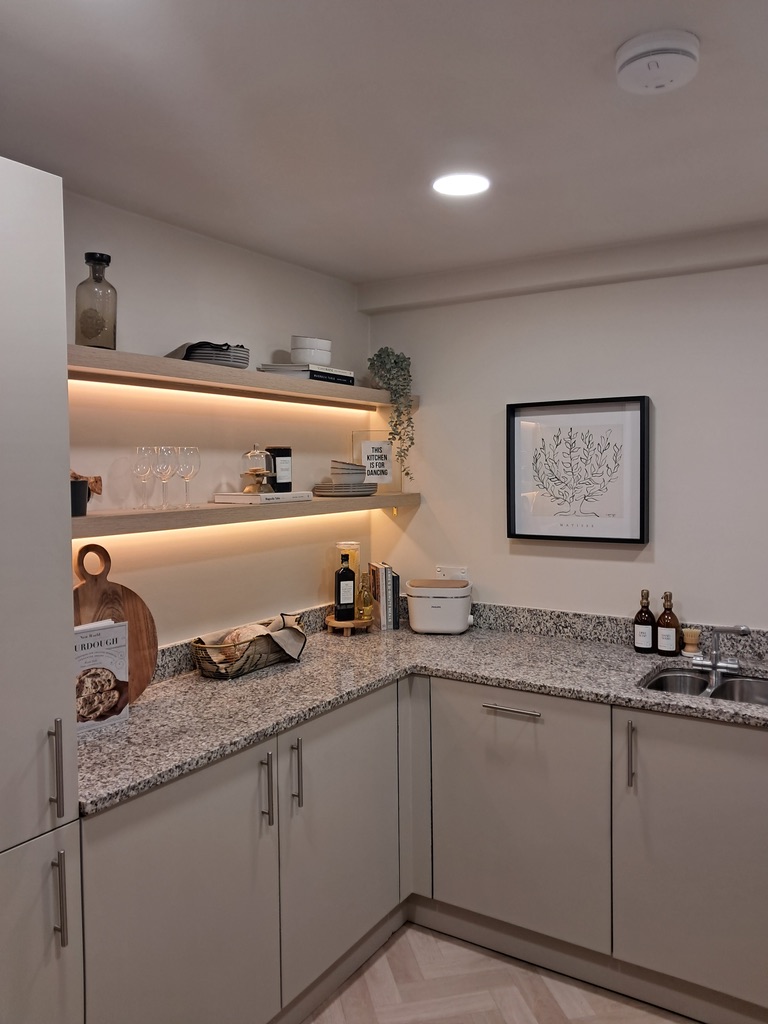
Kitchen renovations
Kitchens specified and installed within a wider renovation, built for tenant durability rather than showroom fragility.
Read more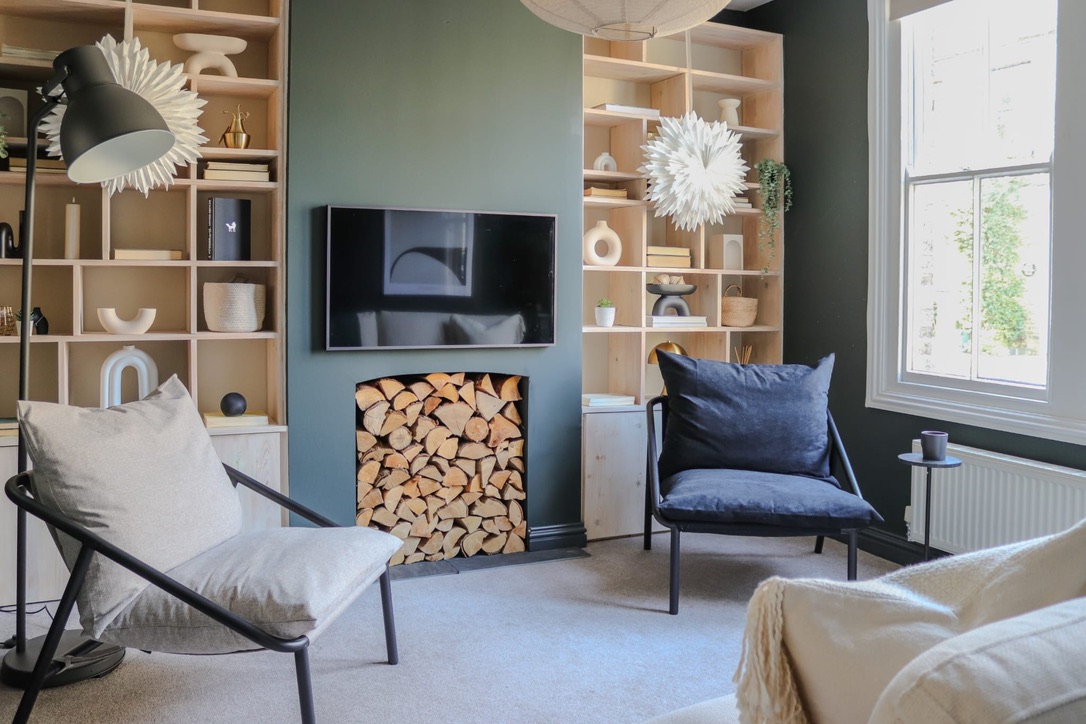
HMO renovations
Tired shared houses brought back up to standard, with fire regulations and building control handled as part of the works.
Read more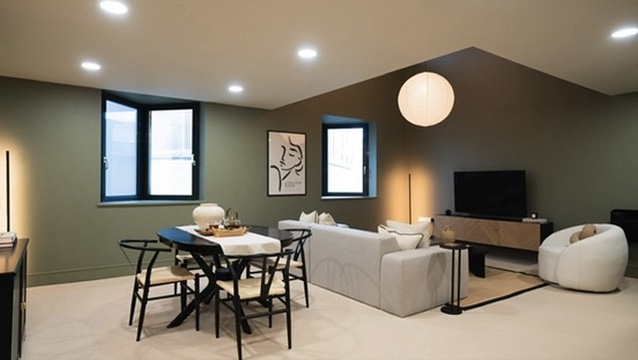
Full property refurbishments
Whole-house programmes taken from stripped shell to finished, lettable or saleable property under one point of contact.
Read moreAlso see RedFox Homes in Oxfordshire, all renovation services, the areas we cover or get in touch.
Next Step
Get a bathroom thathandles the traffic
Send the property details and we will look at the room, the occupancy and the drainage, and set out exactly what it needs. The site visit is free.
07731 945813Mon–Sun, 9am – 7pm
Free site visit · 6-month workmanship guarantee · Compliance handled directly